









✍️ By the ChimelongInternationalCircus.com Team — watched the same program from four different tiers over two visits · 🗓️ Last updated: November 2026 · ⏱️ ~9 min read
Every seating question at a circus is really two questions: how close do you want to be to the ring, and how much of the choreography do you want to see at once? At Chimelong International Circus those two things pull in opposite directions, because the show is both an intimate, face-level art form and a 6,000-spectator spectacle of formations, aerials and light. We have now watched the same program from ring-adjacent seats, the mid-tier sweet spot, and the upper corners — and this guide is the zone-by-zone verdict, so you can spend your ticket money on the view you will actually enjoy.
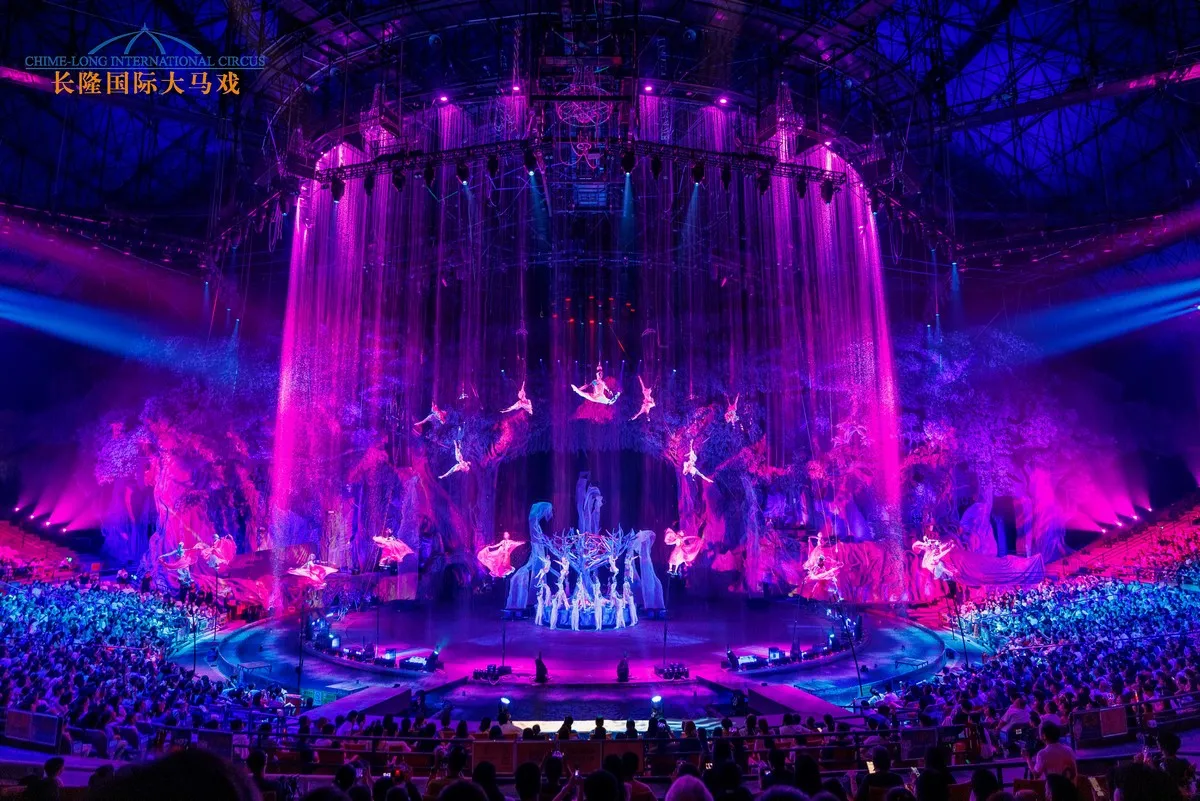
Context first: the circus is a purpose-built theatre inside Chimelong Tourist Resort in Panyu District, Guangzhou, and its arena holds over 6,000 guests around a central performance ring. Because the stage is in the round, there are no truly bad seats — but there are seats that are dramatically better for your priorities, and the difference is worth planning for before you click buy (our ticket-buying guide shows where the tiers appear at checkout).
🗺️ The Zone-by-Zone Breakdown
The venue’s tier map shifts slightly with season and pricing campaigns, so think of the table below as mindsets mapped to sections rather than literal seat numbers. It reflects where we sat, what we gained, and what we would choose next time for each kind of visitor.
| 🪑 Zone | 👀 What it is best for | ⚠️ Trade-offs | 🎯 Pick it if… |
|---|---|---|---|
| Ring-adjacent premium | Faces, costumes, the physical scale of wheel and globe acts; performer entrances right beside you | Priciest seats; you occasionally miss what is happening high above | It is a special-occasion night and you want the visceral version |
| Lower-mid tiers | Strong detail with a slightly lifted angle over the ring floor | Sightlines over heads during standing moments | You want closeness without premium pricing |
| Mid tiers, center aisle (the sweet spot) | The full program reads as designed: detail below, choreography above | Nothing meaningful — this is where we send first-timers | This is your first visit or you want the balanced view |
| Upper-mid tiers | Best value view of aerial lines and lighting design; cleaner sightlines over heads | Faces become small; camera zoom becomes mandatory | You are budget-aware but refuse a bad view |
| Upper corners | Cheapest entry to the room; full geometric picture of ensemble pieces | Oblique angle on ring-center acts; large screens help | You priced the trip tightly and still want the live show |
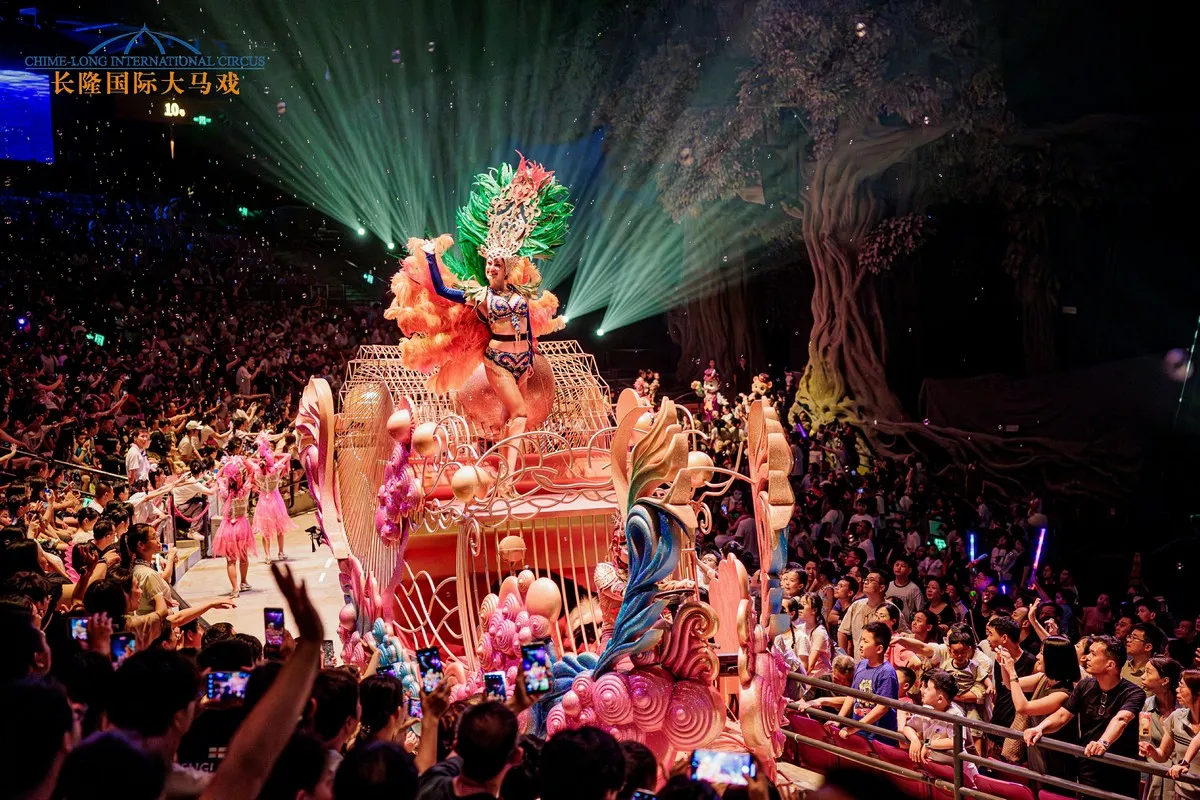
💡 Whichever tier you choose, tilt toward the center sections over the end sections of the same row. The circus works its entrances from multiple compass points, and center seats see them all arrive; corner seats see two arrive and three happen behind you.
🎯 Choosing by Show Priority: Thrills, Choreography or Kids
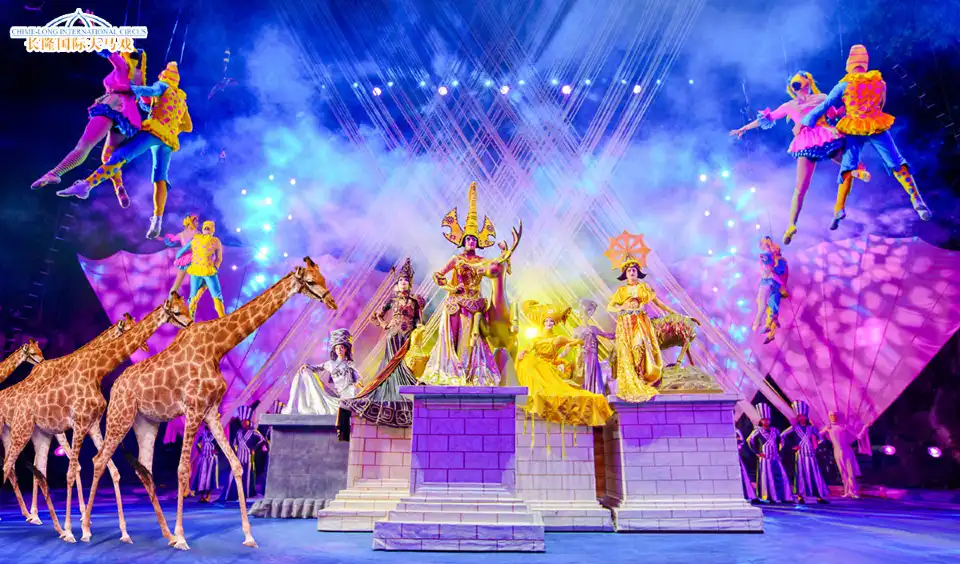
Start with what you actually want out of the 80 minutes. If your priority is adrenaline and physical scale — the wheel acts and the globe riders that the site’s Globe Speed Riders analysis describes in detail — proximity pays: ring-adjacent seats make the speed visceral in a way height never will. If your priority is the aerial and theatrical craft — the kind of staging dissected in the site’s Sky of Destiny and Magic Wonderland analyses — height pays: upper-mid tiers show the vertical lines and lighting design the way the director intended them.
Families split the difference differently. Young children sit better where the action is big and slow-reading (mid tiers), close enough to feel the drums but far enough from the sudden pyro-style moments that some toddlers find loud. Aisles matter more than tiers for this crowd: a mid-tier aisle seat turns a bathroom emergency into a two-minute errand instead of a twelve-apology shuffle. Our family guide has the full playbook, including which acts run during the show’s calmer middle stretch.
📸 Choosing for the Camera
If photography is a primary goal, the calculus shifts again. Clean shots over the ring need elevation and center alignment; the best frames we brought home came from upper-mid center seats with elbows braced on the seat ahead. Ring-adjacent seats produce dramatic close-ups but fight you with backs-of-heads and extreme upward angles on aerials. The venue’s lighting is part of the design — flash is pointless and unwelcome — so your gear list matters more than your zoom. The photography guide covers settings, timing and the etiquette rules; pair it with an upper-mid center seat and your camera will eat well.
🧭 Five Sightline Details Most Buyers Never Check
Beyond tiers, five small details separate a good seat from a great one, and none of them appear on the checkout map. One: the aisle premium. Center-aisle seats in any tier cost you nothing extra and buy fast exits plus the clearest view of the production’s cross-stage entrances. Two: the camera well. Several rows in the upper-mid section sit behind low railings rather than full-height walls — if you are shooting, those rows give cleaner frames than the rows in front of a solid barrier. Three: the screen line. The big screens hang to serve the back half of the arena, so if you rely on them, the upper-mid tiers get the best balance of live action plus close-up replay.
Four: the entrance compass. The cast pours in from multiple points around the ring — some nights directly through the audience — and the seats along those entrance paths get the spontaneous, close-range moments that people remember for years; ask the usher at the door which side the parade uses tonight, and if those seats are within your tier, slide over. Five: the light spill. Front rows under the balcony overhang can sit in a shadow band during the dimmer theatrical segments, while the open mid tiers stay fully inside the designed lighting — one more quiet argument for the middle. None of these details will ruin a night if you miss them, but every one of them is free to exploit at checkout, and together they are the difference between “we saw the show” and “we had the show.”
👶 Seat Choice Meets the Entry Rules
Two entry policies intersect with seating, and both reward ten minutes of planning. First, the age rule: visitors under 16 must be accompanied by a guest aged 16 or older, so seat the teenagers next to their adult in the same row — ushers do check. Second, the wheels rule: strollers wider than 50 cm cannot come into the venue at all (standard strollers and compliant wheelchairs are exempt, and paid rentals exist at guest service points), which means aisle-and-aisle thinking starts at the stroller park, not at your row. Fold the stroller small, choose the aisle, and the family night stays calm end to end.
⚠️ Do not buy separate-tier seats to save money for a group. The arena is big enough that splitting a family across two tiers means two different shows — coordinate on one tier, even if it means everyone steps up or down a price band together.
💰 Tier Economics: When to Pay Up and When Not To
Pricing is demand-based, and the tiers do not move in lockstep. On quiet weeknights the gap between mid and premium tiers shrinks enough that upgrading is cheap — that is the night to pay for ring-adjacent if it tempts you. On weekends and holiday dates the premium band can climb steeply while upper-mid seats hold value; that is the night to bank the difference and enjoy the choreography from height. November weeknight pricing we saw on Trip.com started around US$40.29 for discounted inventory, and the venue’s own price analysis explains how the tiers ladder up from there. Our calendar guide tells you which kind of night you are buying.
🎪 The Final Word on Seats
If you remember one sentence from this guide, make it this one: the Chimelong International Circus rewards the middle. A mid-tier, center-aisle seat shows you the whole production — the ring artistry, the aerial verticals, the entrances, the lighting — without a single trade-off that matters, and it leaves budget for the pre-show dinner that makes the evening complete (timing in our dining guide). Pay up for proximity on a cheap weeknight, climb for choreography when the premium band spikes, and you will understand why the same 6,000-seat room feels like a different show from every tier — and why audiences have filled it since the year 2000.
Once this table has told you which tier is yours, lock those seats in on Trip.com — mid-tier blocks are the first to tighten on weekends, and the price you see is the price you keep.
❓ Frequently Asked Questions
What are the best seats at Chimelong International Circus?
It depends on what you want to see. Ring-adjacent premium seats deliver faces, costumes and the physical scale of close-up acts; upper-center tiers show off ensemble formations, aerial choreography and lighting design. For a first visit, we recommend a mid-tier seat near the center aisle — the balance of detail and overview is where the production reads best. Our zone-by-zone table above explains the trade-offs after watching the show from several tiers.
How many seats does the Chimelong International Circus arena hold?
The purpose-built circus theatre accommodates more than 6,000 spectators, according to Trip.com’s official introduction. Despite the size, sightlines are engineered in the round, so even upper tiers stay connected to the ring — the difference between tiers is perspective, not visibility.
Are aisle seats better for families with kids?
Usually, yes. Aisle seats in the mid tiers give you a fast, low-drama exit for bathroom runs or an overwhelmed toddler, and ushers can reach you easily. Our family guide pairs seat choice with nap timing and the acts that land best with young children.
Where should I sit if I want to take photos?
Photographers get the best results from a slightly elevated angle that sees over the ring floor — upper-mid tiers, center sections. You trade closeness for clean sightlines over heads and a fuller frame of the aerial lines. Settings and rules are covered in the dedicated photography guide.
Do circus seats sell out by tier?
Yes — pricing is demand-based and mid-tier blocks tend to tighten first on weekends and holidays. If the checkout shows your preferred tier at a price you like, take it; waiting rarely improves the price and can cost you the section entirely (our ticket-buying guide covers the timing).
